Selected figures from several projects. Each image opens at full size in a new tab.
Cubulating Associahedra
Cubulated associahedra and related figures.
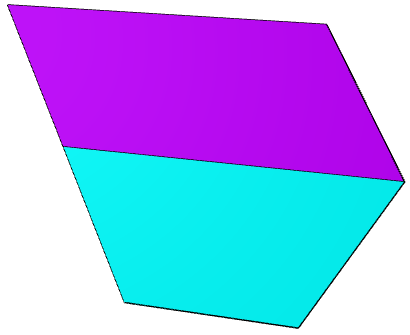
A 2D associahedron subdivided into 2! pieces using 3! vertices.
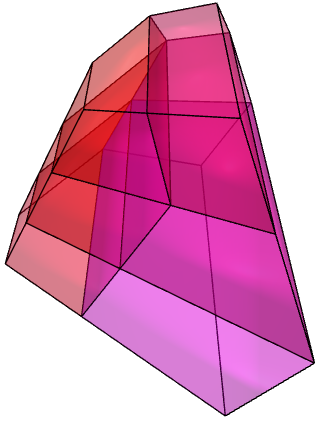
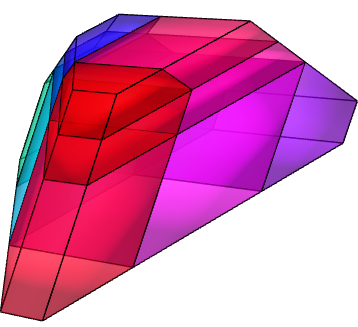
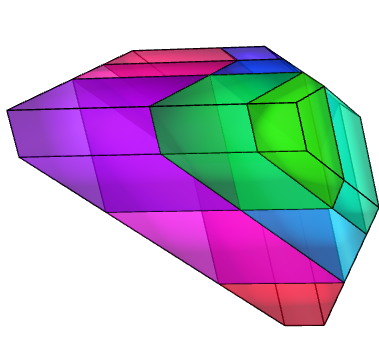
A three-dimensional associahedron subdivided into 3! pieces using 4! vertices.
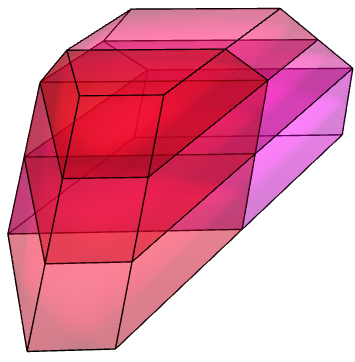
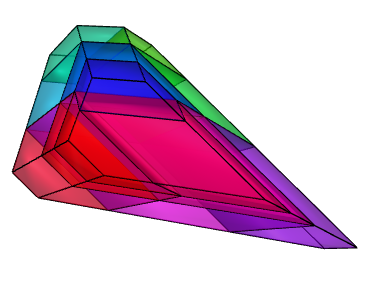
Another view of the three-dimensional associahedron subdivided into 3! pieces using 4! vertices.
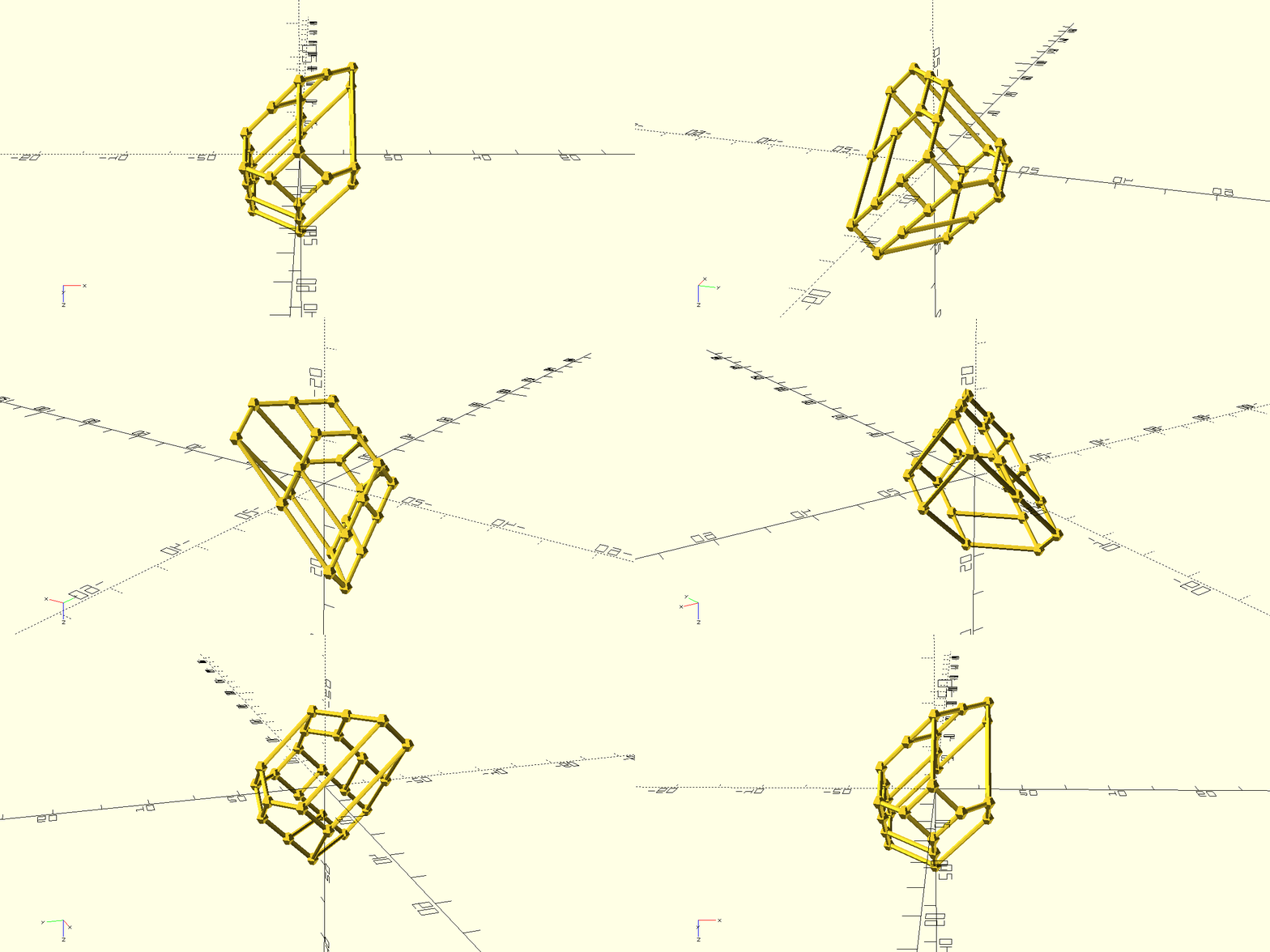
A subgraph of the 1-skeleton of the previous cubulation of the associahedron. This realizes the Hasse diagram of the weak order
(aka the 1-skeleton of the permutahedron) on the boundary of the associahedron.
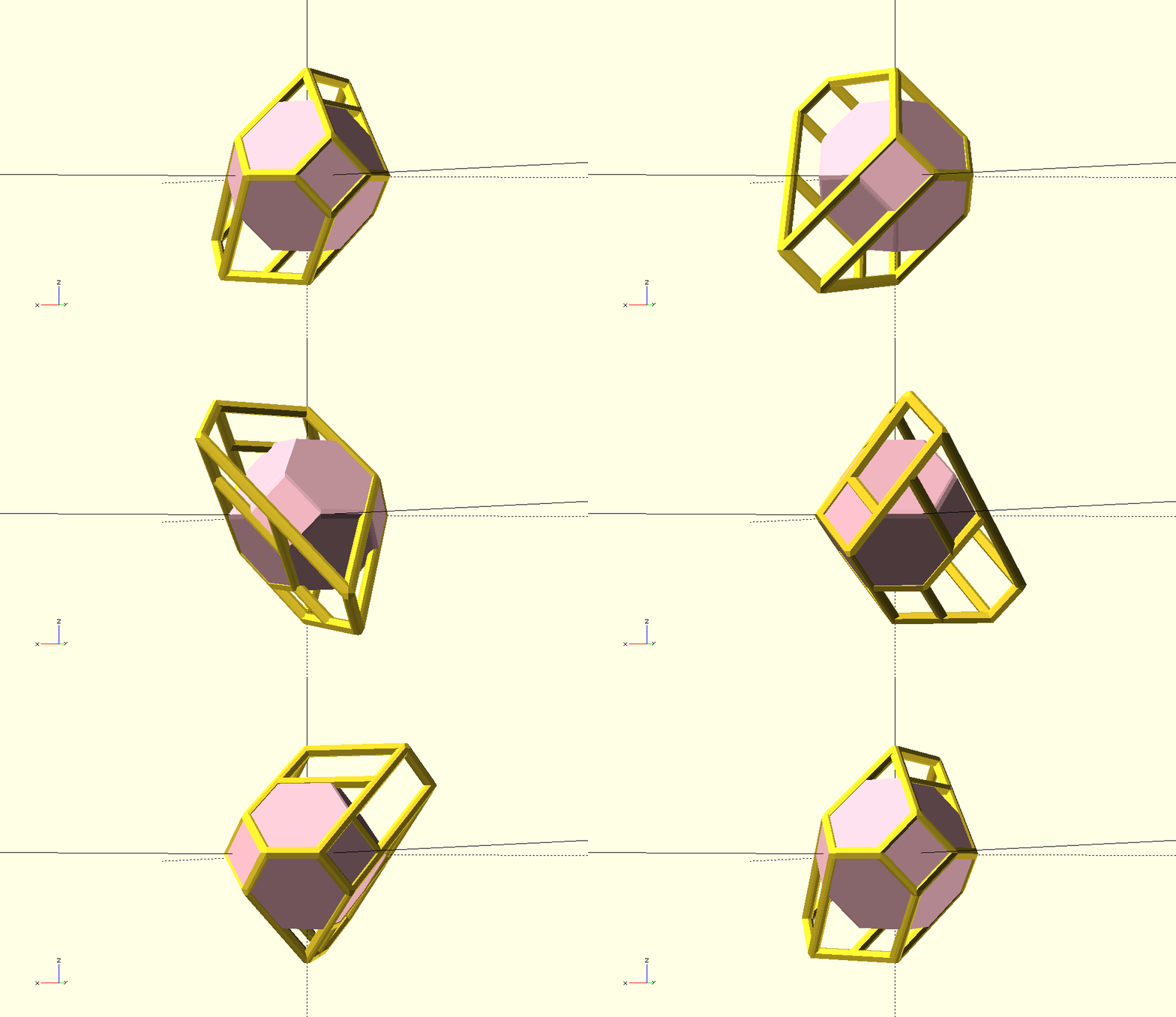
Same as previous but with permutohedron visualized.
Same as previous.
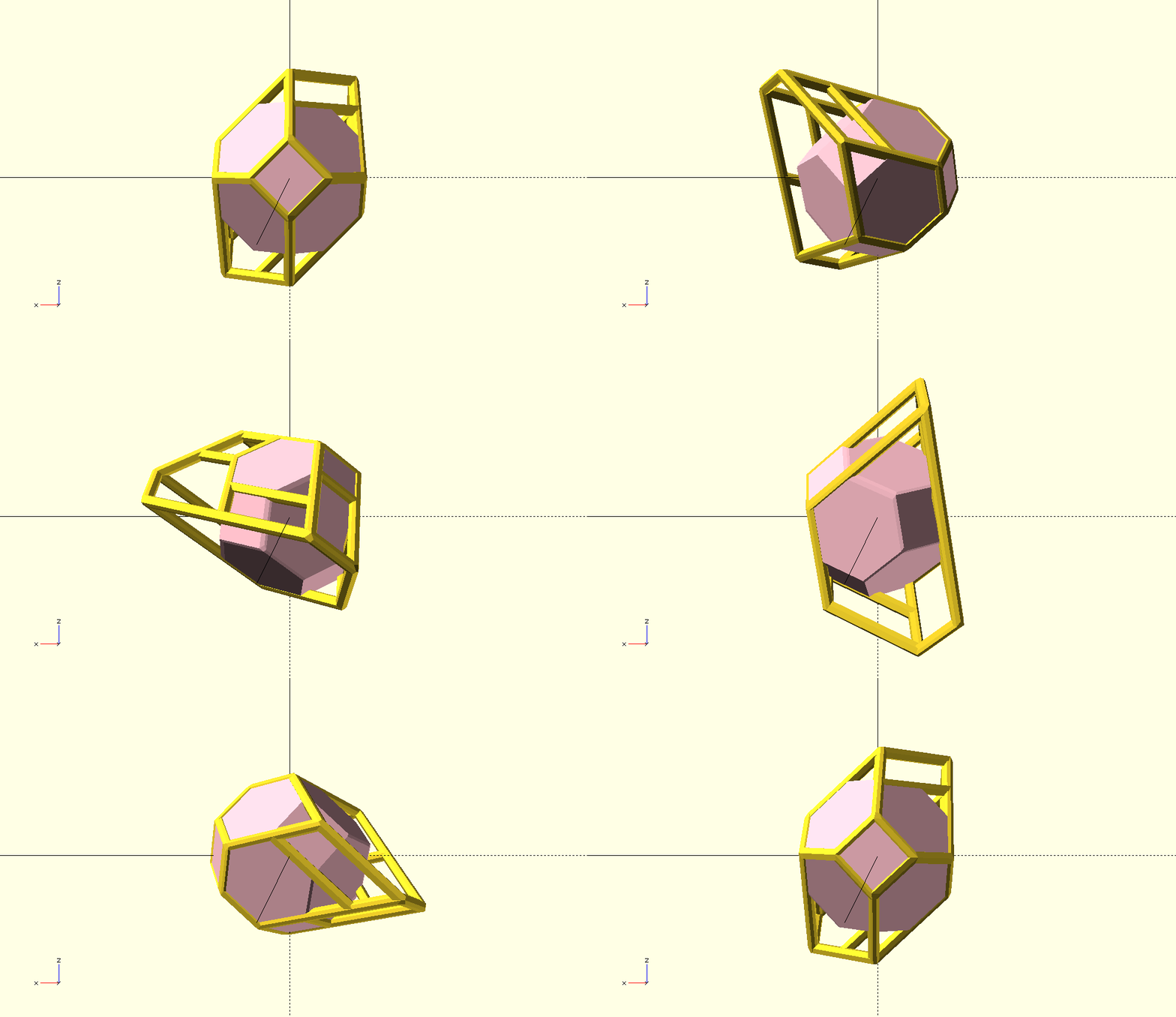
A cubulation of the associahedron. The pieces are in bijection with connected permutations.
Same as previous but from a different view.
Same as previous but from a different view.
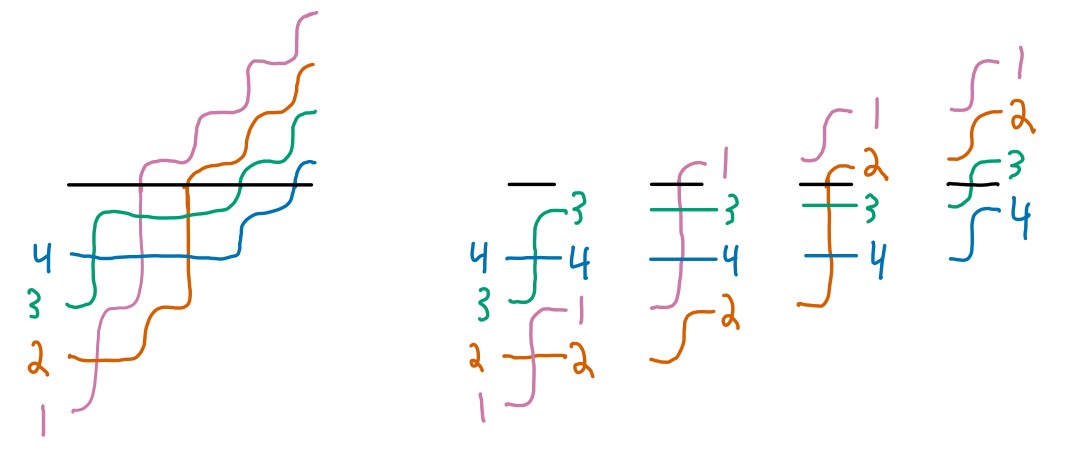
The permutations appearing between columns of a pipe dream.
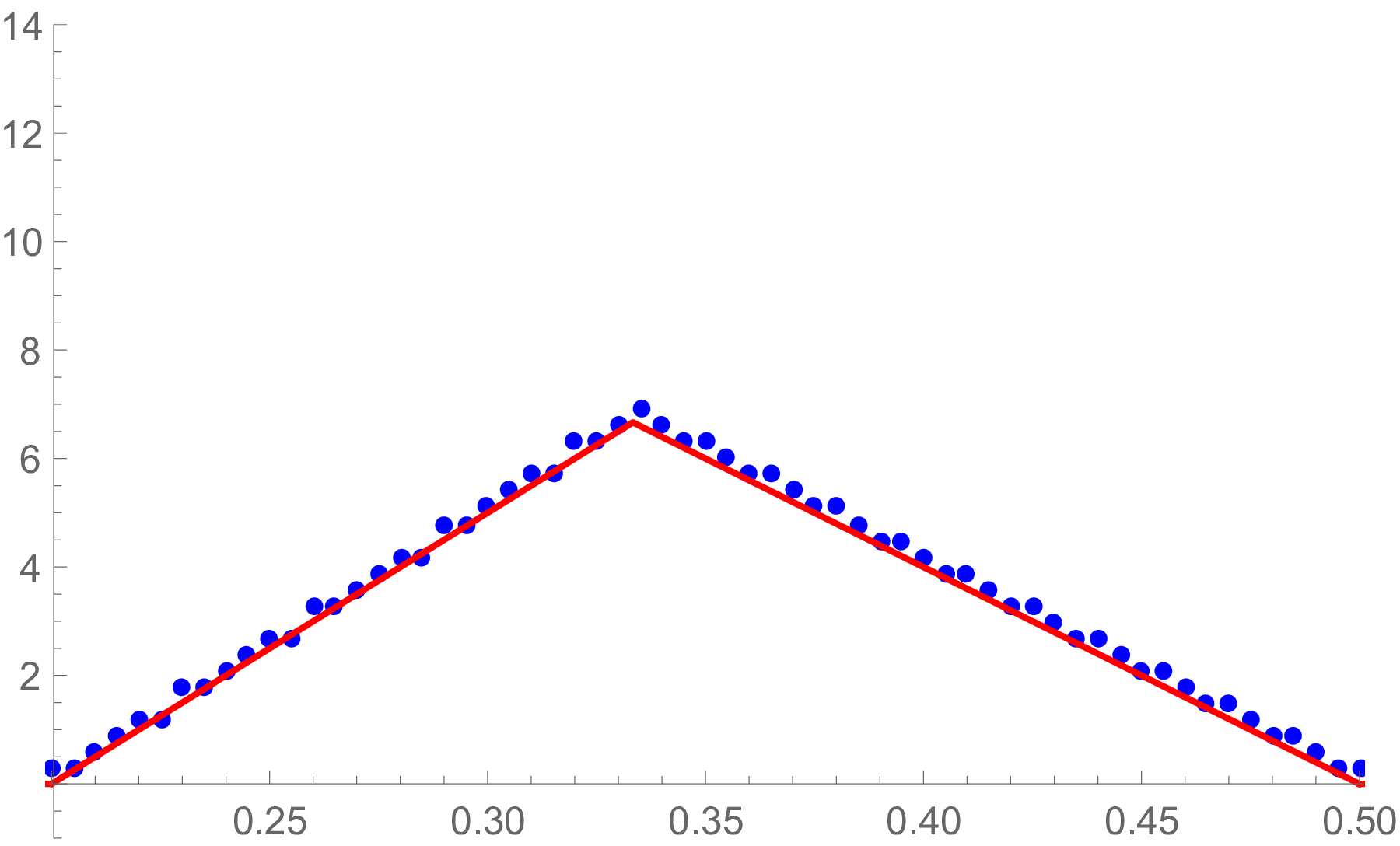
Scaled histogram for factorizations of 200 using generators 2, 3, and 5.
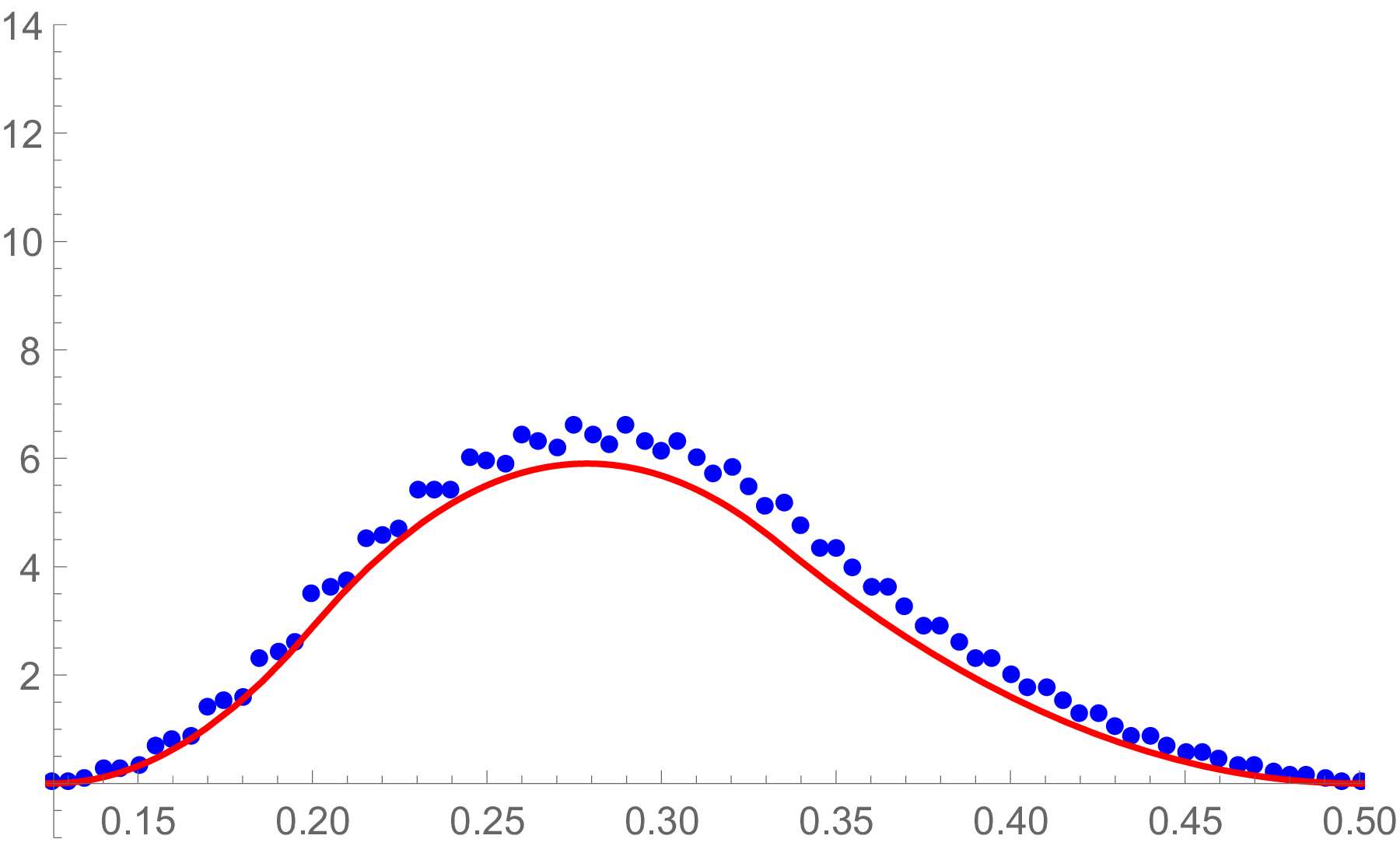
Scaled histogram of lengths of semigroup factorizations of 200 using generators 2,3, 5 and 8.
Scaled histogram for factorizations of 500 using 3, 15, 16, and 30.
Stars
Figures relating to counting stars.
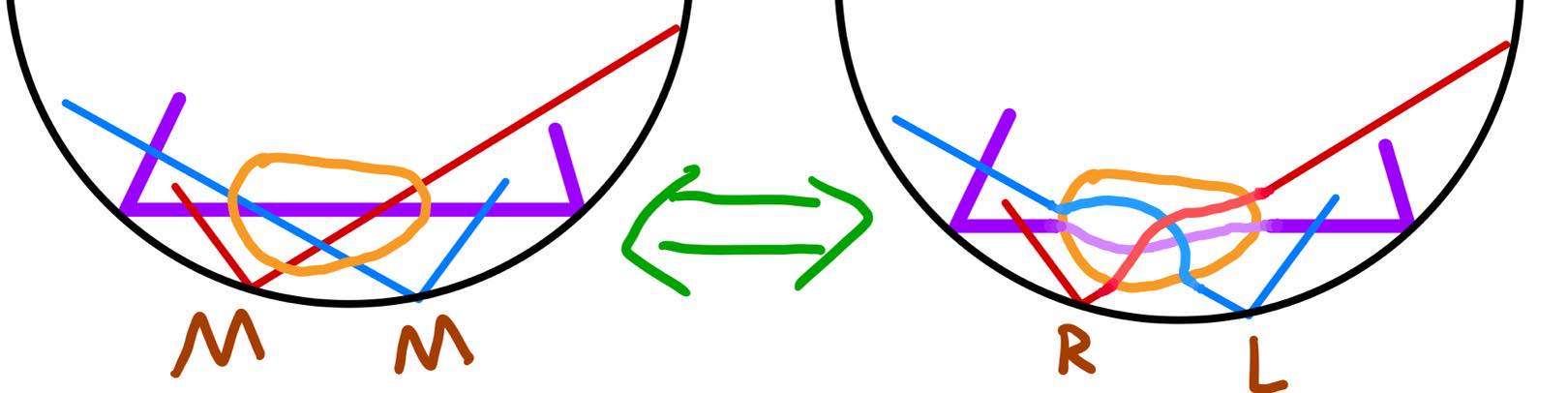
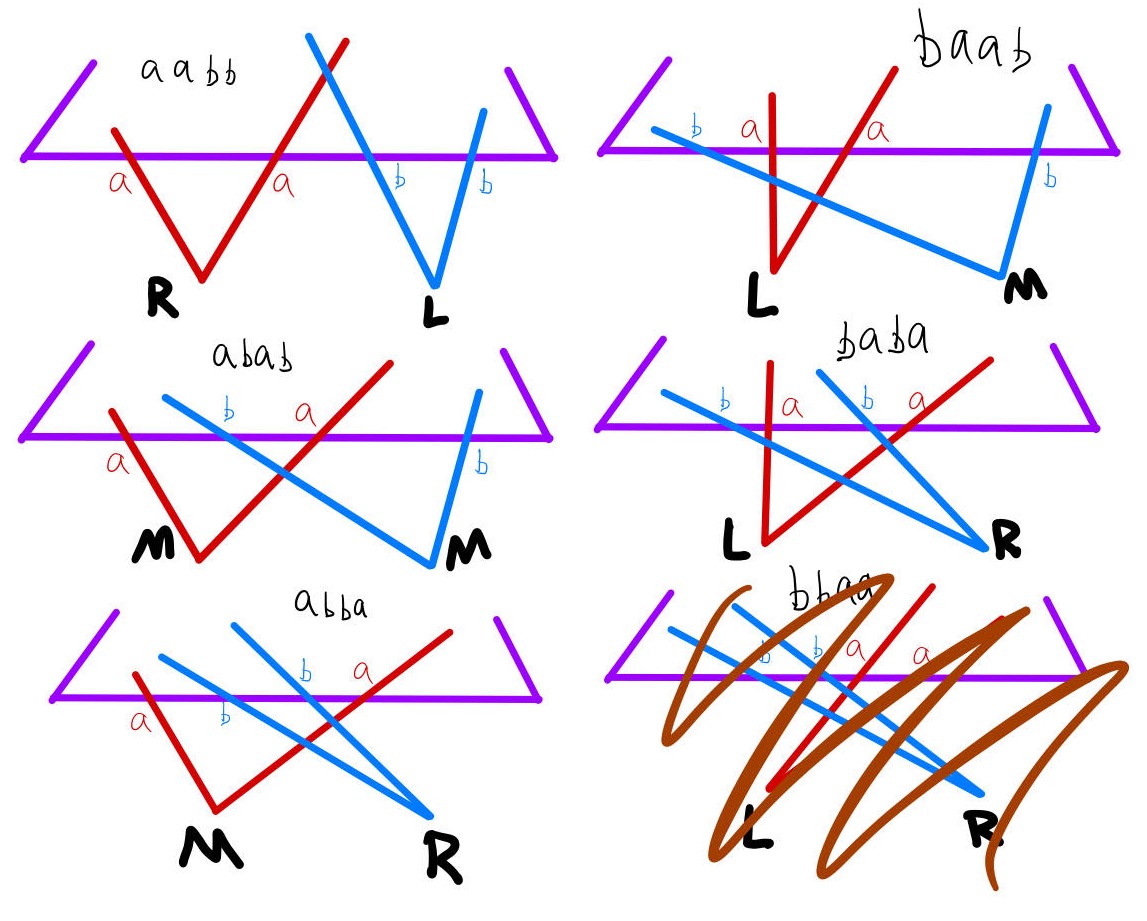
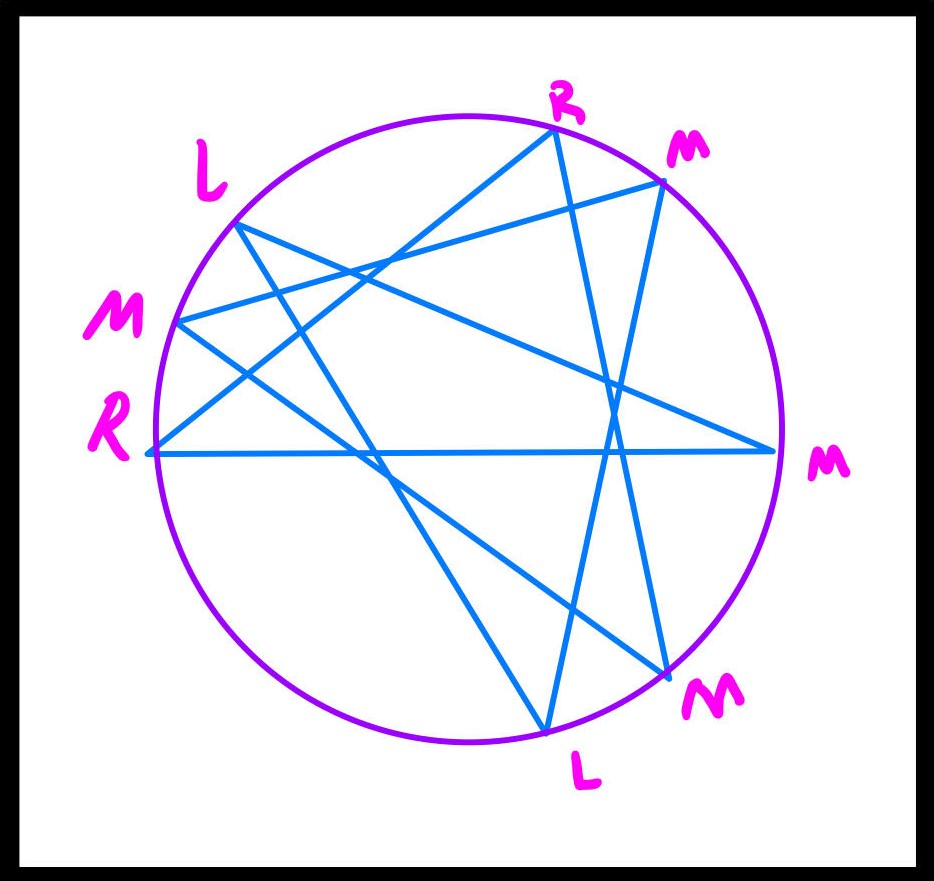
A Reidemeister-like local move on a star made of pseudochords.
Different ways that angles emanating from points on one side of a line can intersect that line.
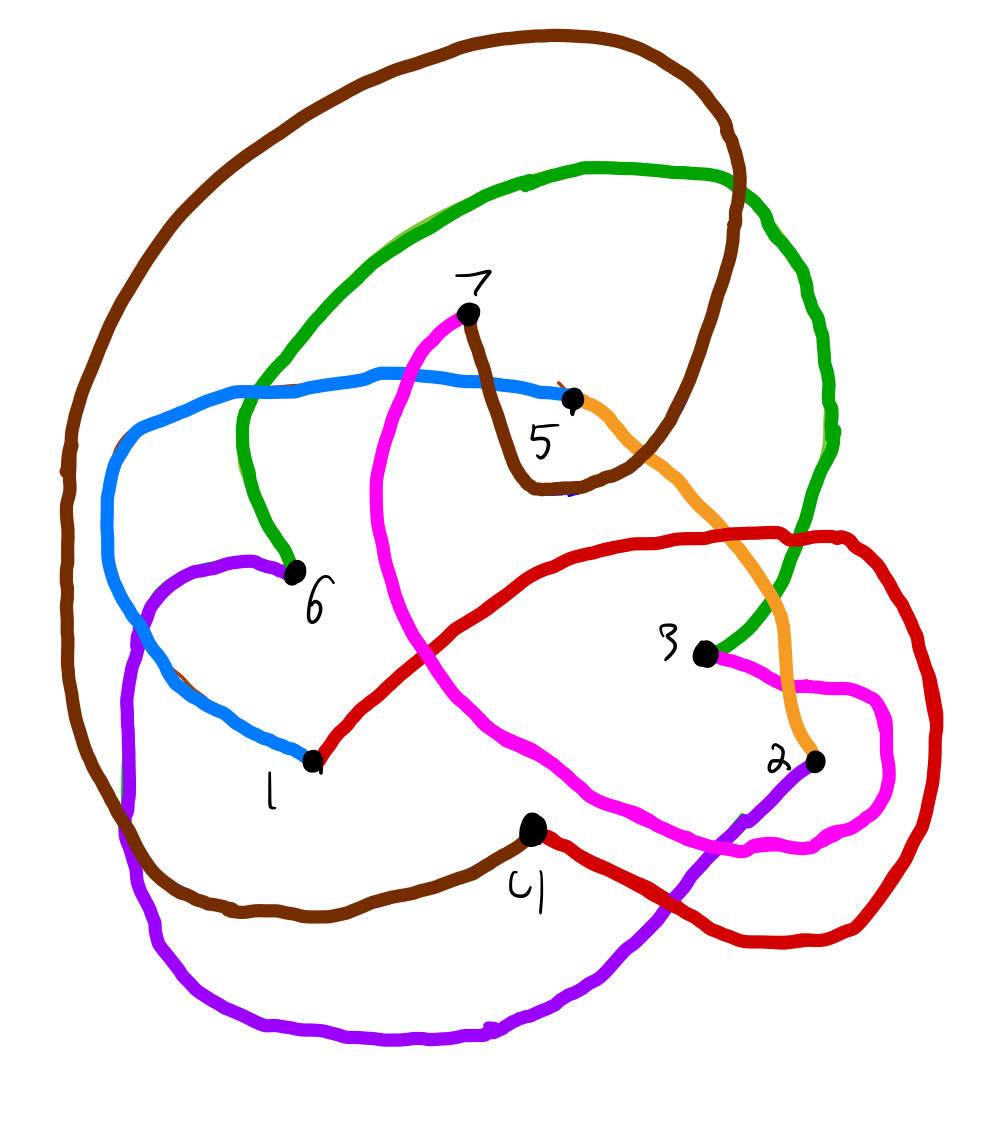
A topological graph which is weakly isomorphic to a regular drawing of a 7/3 star. That is, the graphs are isomorphic and the isomorphism is such that two edges cross in one drawing iff the corresponding two edges cross in the other drawing. There's probably another condition also but it isn't relevant here.
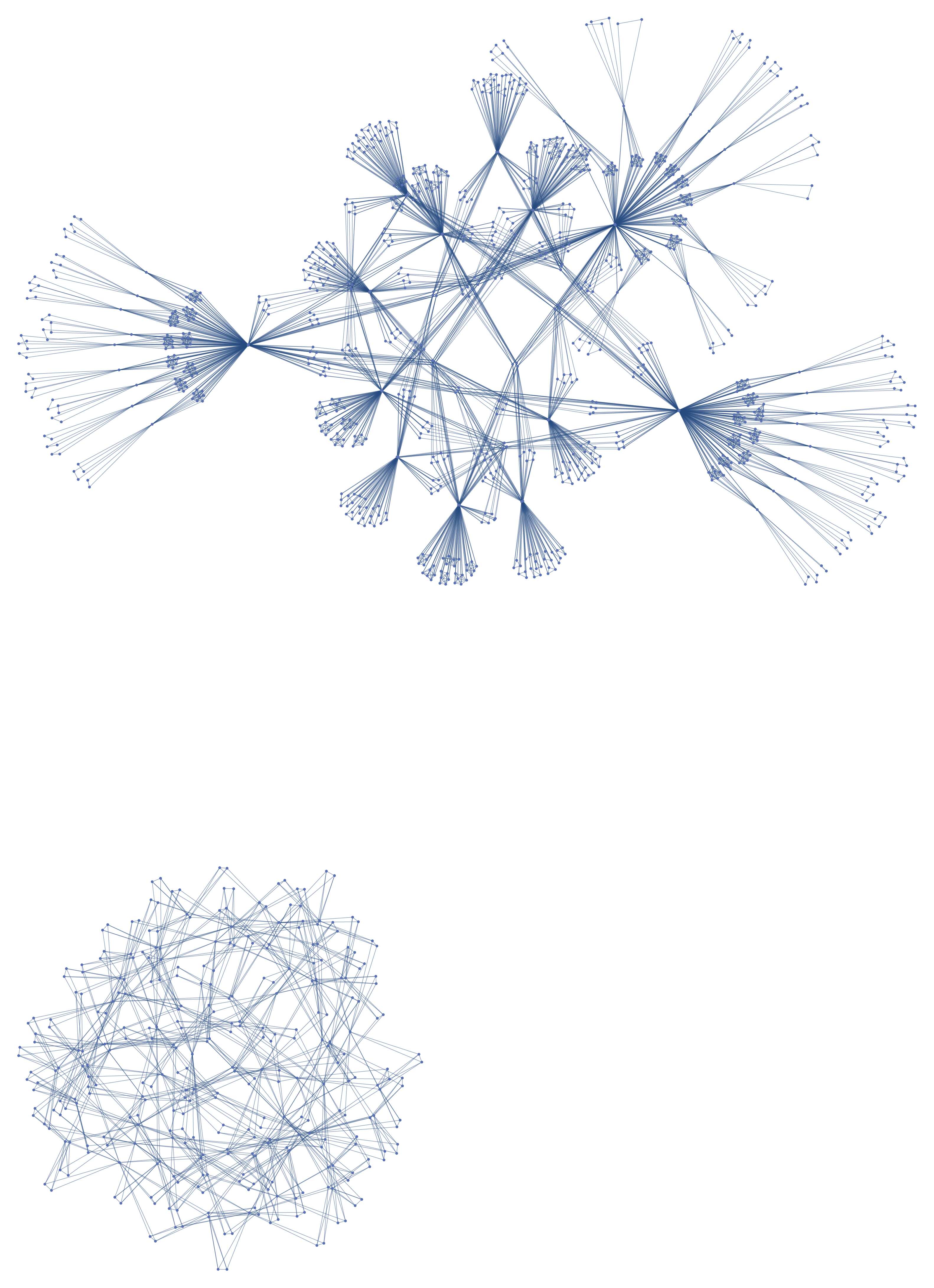
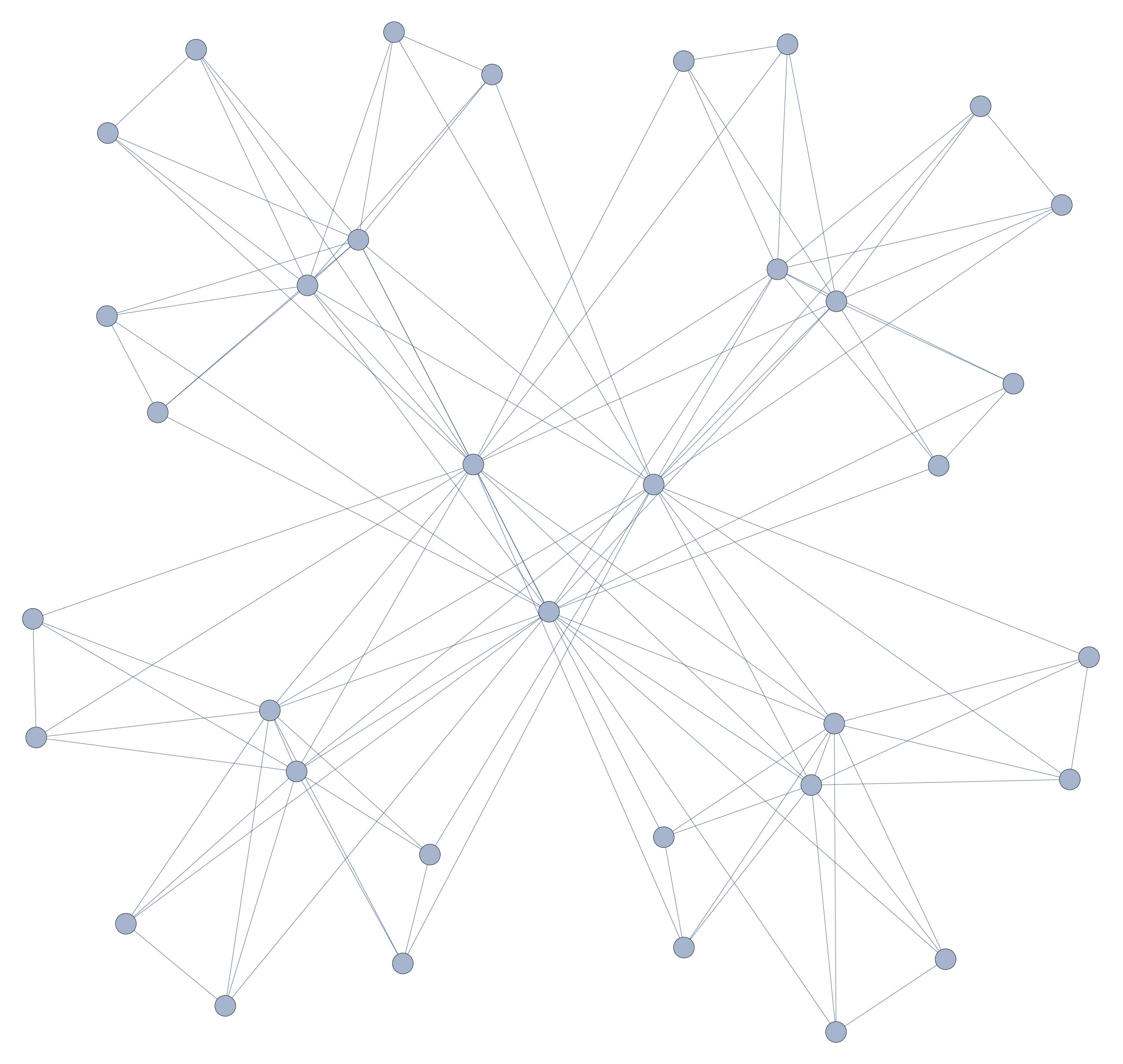
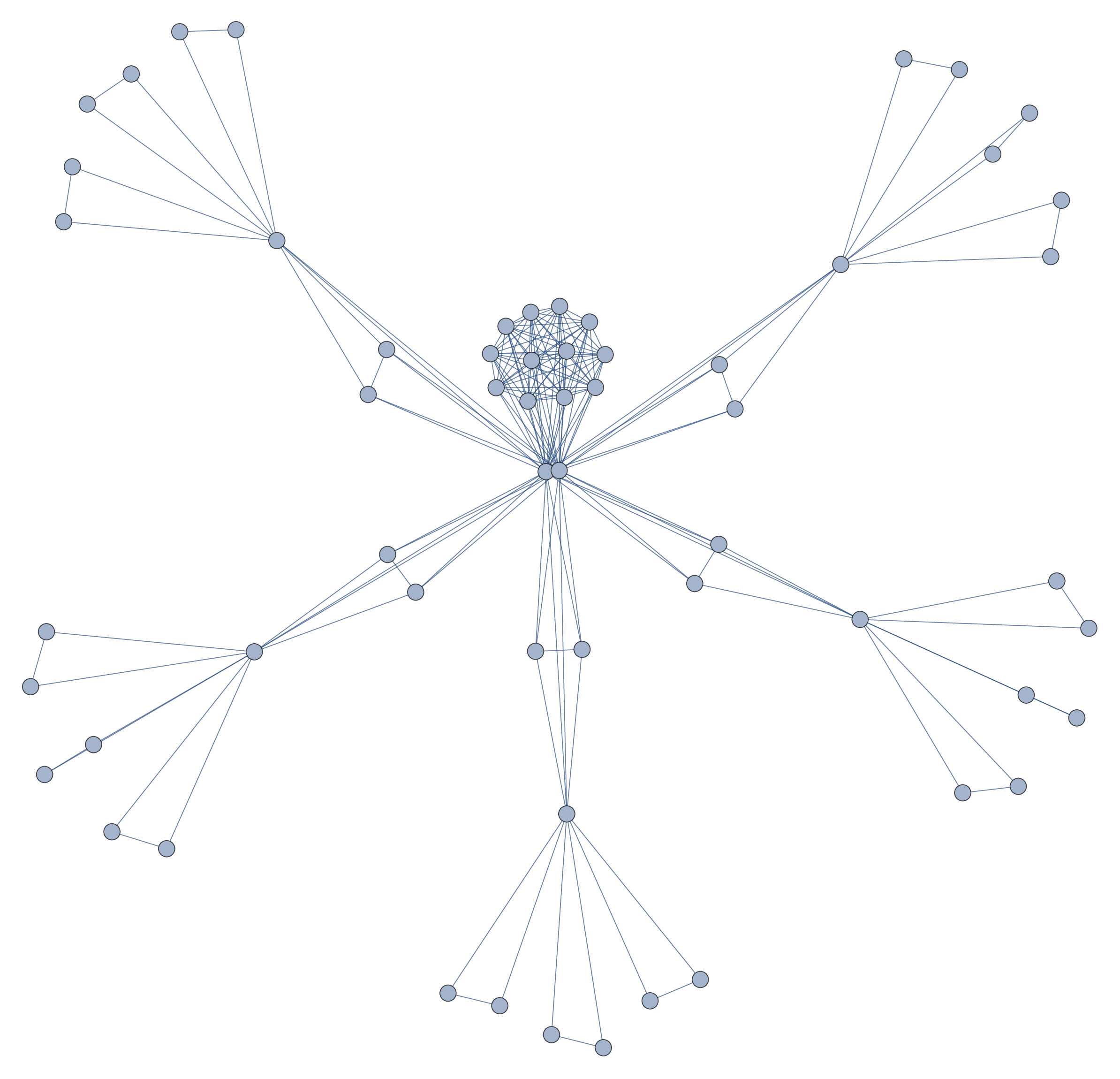
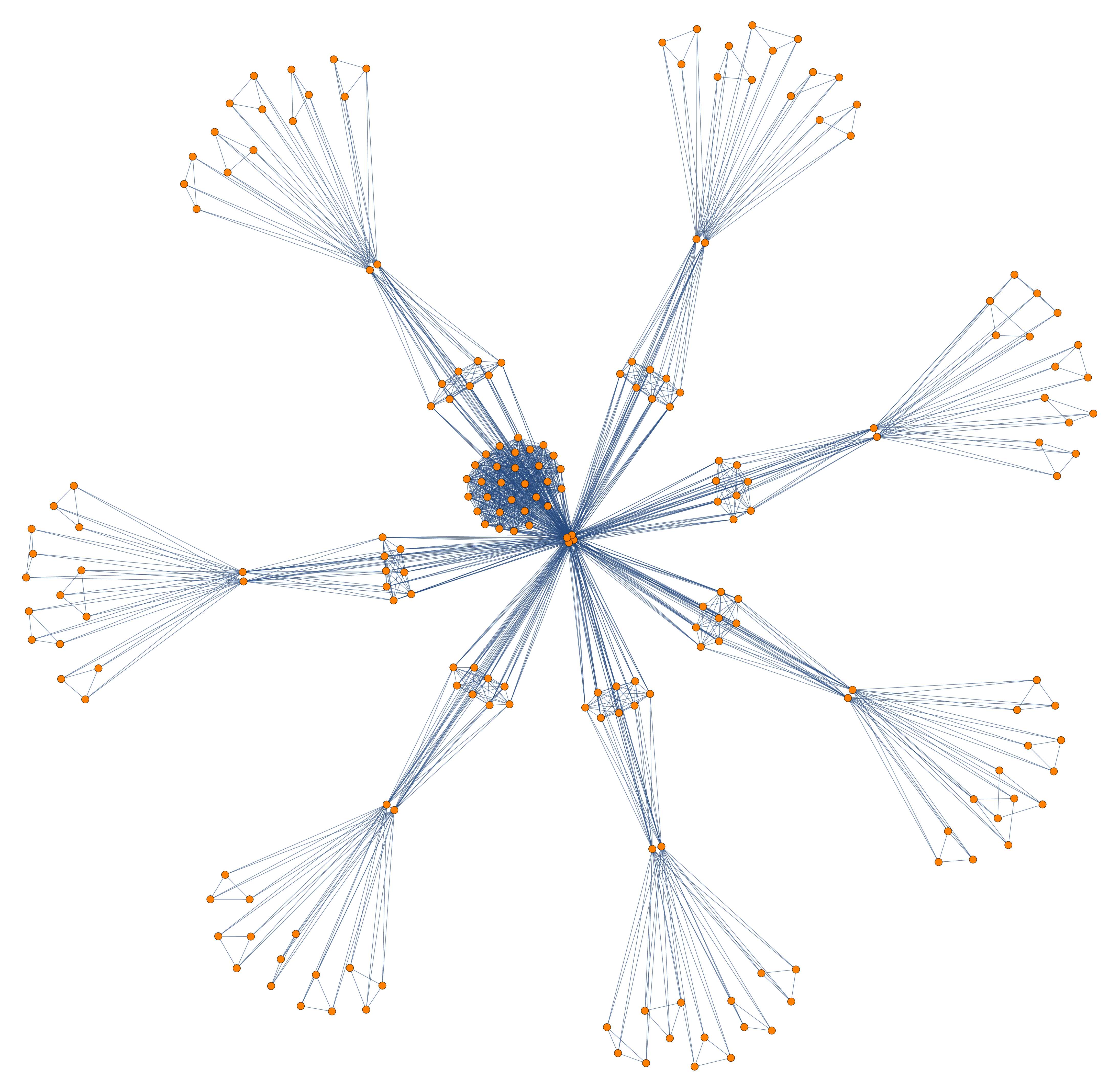
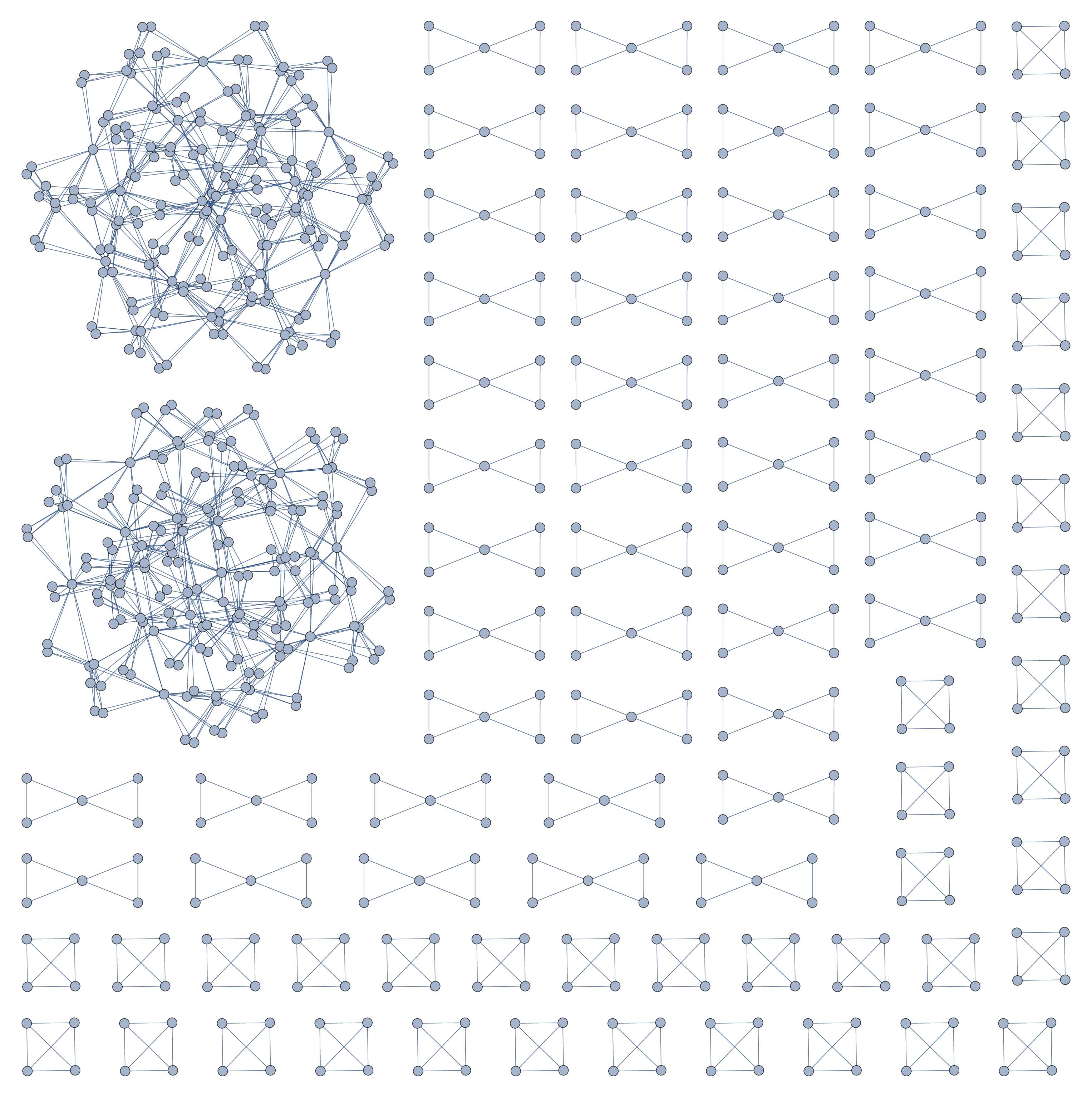
The cyclic graph of the 3490th group of order 1296 in the Small Groups library.
The cyclic graph of the 14th group of order 36 in the Small Groups library.
The cyclic graph of the 7th group of order 60 in the Small Groups library.
The cyclic graph of the 3rd group of order 210 in the Small Groups library.
The cyclic graph of the symmetric group S6.
Multiplicative functions
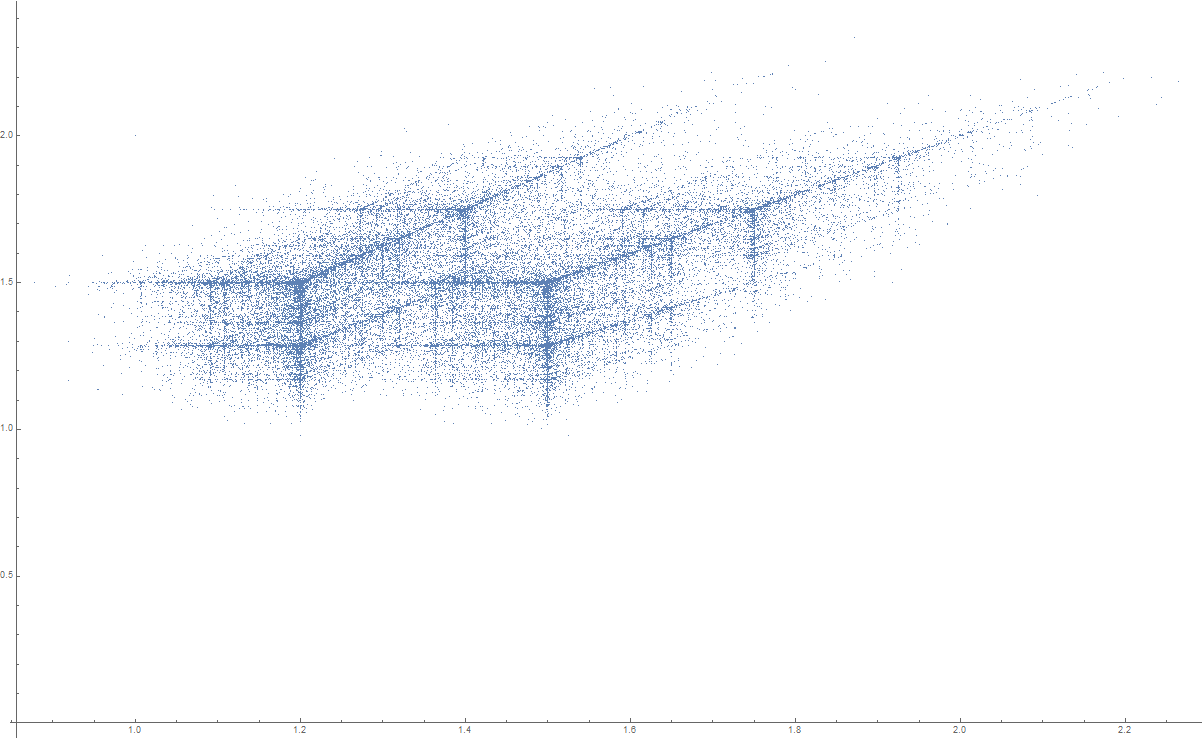
Plots connected to multiplicative functions, totient quotients, and prime patterns. See this paper and this paper.
Scatterplot of totient ratios for prime triples of the form p, p + 2, and p + 6.
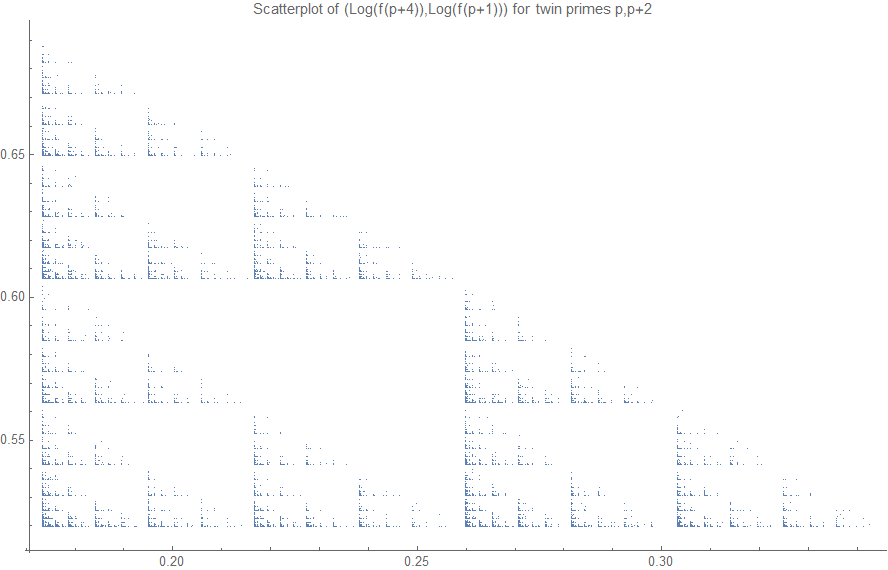
By setting \(f(p_n^k)=2^{2^{-n}}\), where \(p_n\) is the \(n\)th prime, and extending multiplicatively, one gets a strange construction of the Sierpinski-triangle. The figure is a scatterplot of \(\log(f(p+4),\log(f(p+1)))\) for all twin primes \(p,p+2\) between 5 and 2,000,000. The picture does have something to do with twin primes but it isn't especially important; it's just that the pattern still holds in this case. It's a fun puzzle to figure out why. Here is a hint.